


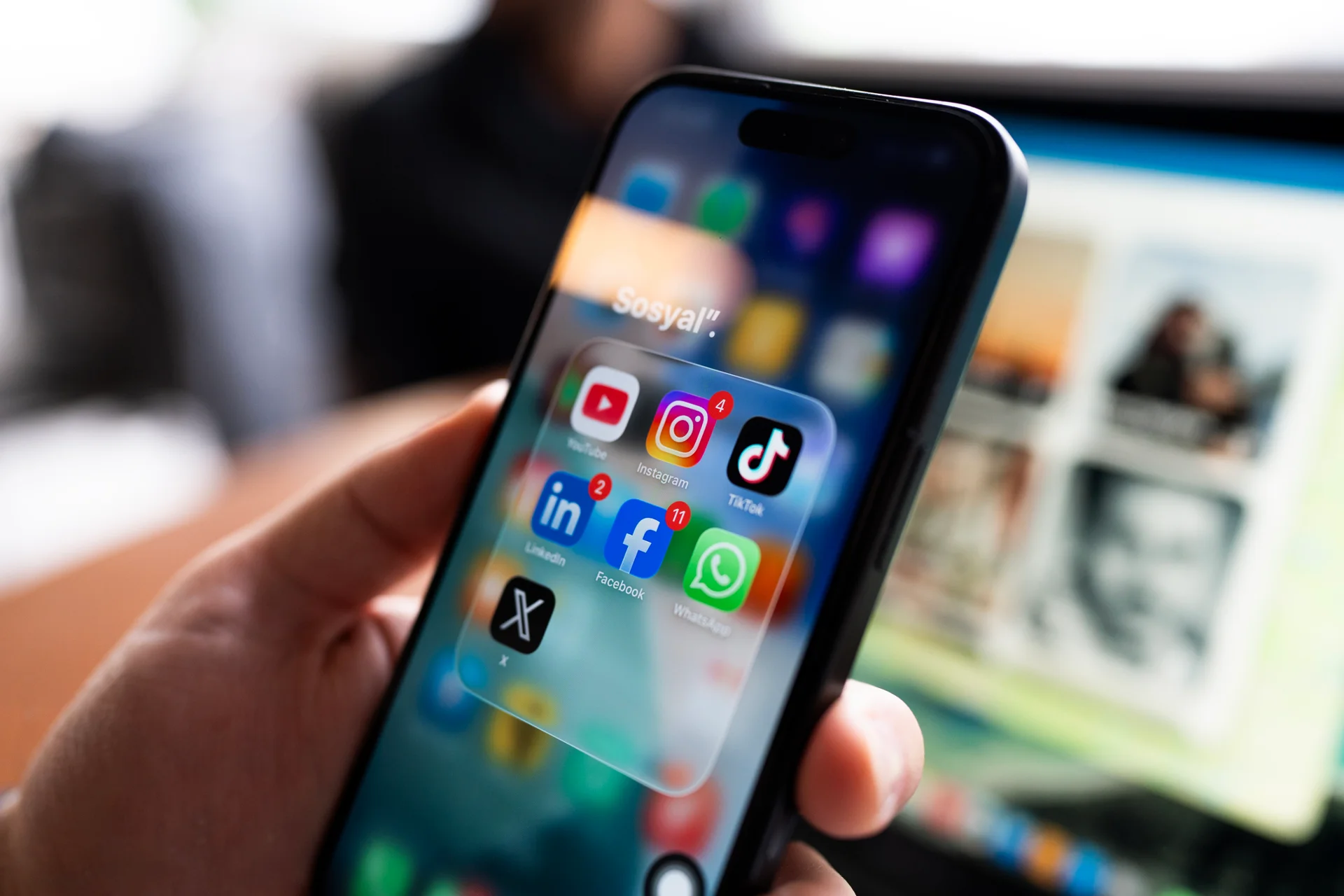
Long before you step into a Florida courtroom to defend against criminal charges, there is a lot the state may already know about you beyond the details of your charges. Often, prosecutors will have scoured Instagram, TikTok and Facebook accounts, looking at every photo, tag, and comment you have made. Your social media can be a window into your lifestyle, social connections and state of mind during the time of an alleged offense.
The digital breadcrumbs that build a case
Under Florida evidence rules, social media posts are often admissible as evidence against you. Thus, in building a case against you, prosecutors often hunt for specific signals that contradict your defense or establish intent though your online activities and behaviors. They look for specific red flags that tell a story, including:
- Location data or check-ins that place you near a specific area
- Photos showing possession of items related to the charges
- Ties to known criminals or alleged accomplices
- Angry rants or threats directed at other people
- Posts showing substance use if your case involves drug charges or a DUI
These digital details can contribute to a narrative that a jury might find more convincing than a witness statement. However, while they can be powerful evidence, online statements and activities can still be challenged depending on authenticity, context and evidentiary rules.
But aren’t my posts private?
Many people believe a private account is a locked vault. It isn't. Florida courts may grant motions to see social media content if the prosecution shows it is relevant to the case. Beyond court orders, a friend or follower could easily screenshot your content and hand it to the police. Once you hit send, you lose control over who eventually sees that data.
Protecting your rights without breaking the law
If you’re under investigation or facing criminal charges, don’t delete or alter posts without legal advice; changing online content can create additional legal problems. Instead of hitting delete, talk to your attorney about your digital footprint. When in doubt, staying silent online and letting your attorney guide your defense strategy can be wisest.
If you would not want a judge to read it out loud, it should not be on the internet.
What you post today could become evidence tomorrow, so think critically about your online activities.


.jpg.2607301109583.webp)