Driving under the influence (DUI) charges often relate to consuming too much alcohol. However, the state can also pursue drug DUI charges against people who are under the influence of other mind-altering substances.
Cases involving a driver under the influence of a prohibited substance often lead to criminal charges and many of the same penalties the courts might impose for an alcohol-based DUI violation. Other times, the driver arrested for a drug-related DUI offense may have driven after taking a prescription medication recommended by a physician.
Can proof of a valid prescription and medical need help people to fight drug DUI charges?
Prescribed medications can impair driving capabilities
Technically, the law does not distinguish between illegal and prescription medications when addressing impaired driving. Motorists should avoid driving for as long as they are under the influence of substances that can impact their ability to safely operate a vehicle.
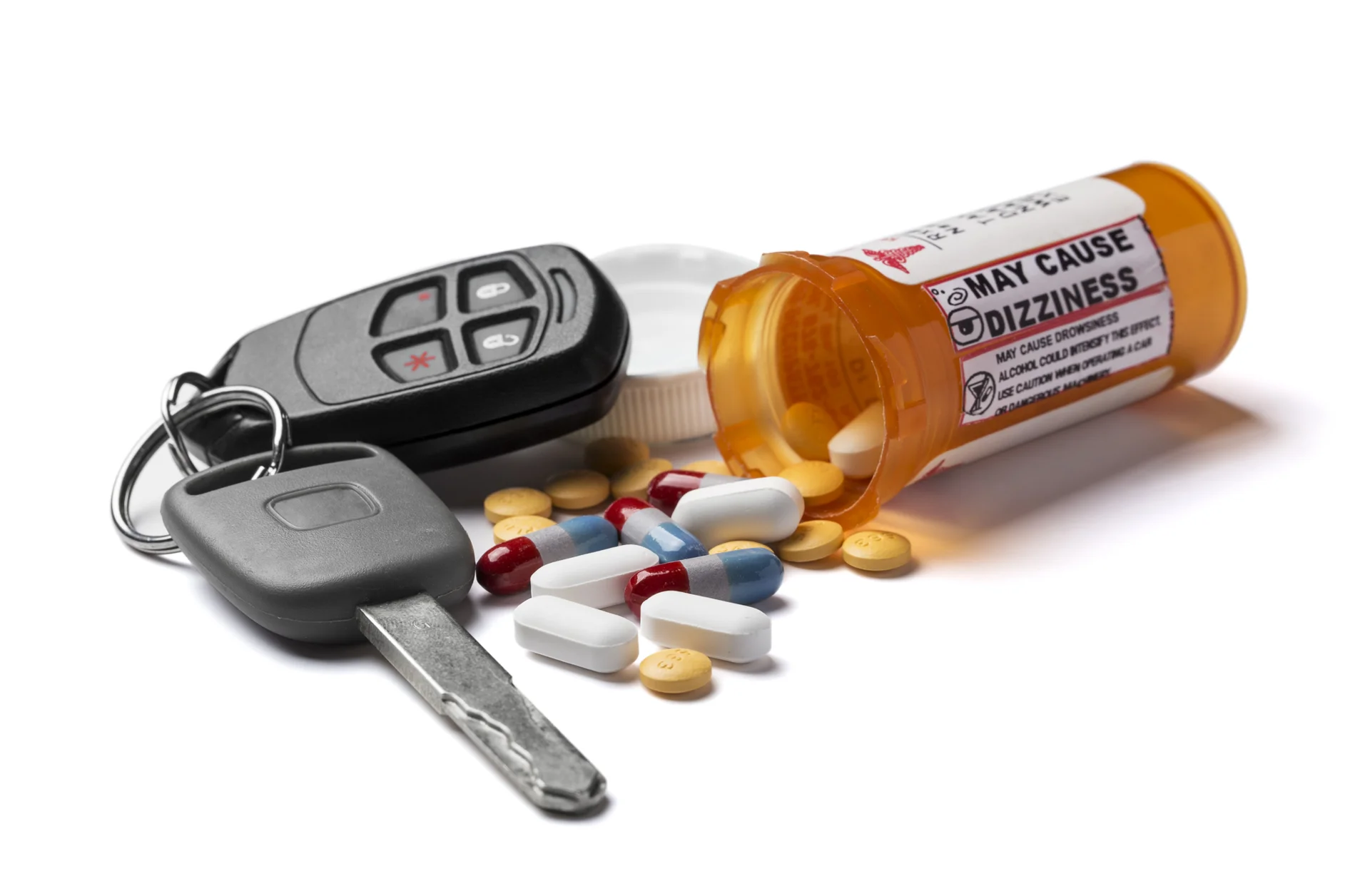
Many prescribed drugs, including sleep medication, muscle relaxants, pain relievers, anti-seizure medications and psychiatric drugs, can affect wakefulness, cognition and motor function. They can directly influence the ability of a driver to monitor their surroundings and control their vehicle in traffic. Most drugs that affect driving have warning labels about drowsiness, driving or operating heavy machinery.
A valid prescription is not sufficient reason for the courts to dismiss a drug DUI case. Even if the motorist has taken the medication for years and no longer experiences the same level of impairment or the side effects endured by new users, they could still be at risk of a DUI conviction.
Defending against drugged driving charges can be more challenging than people initially realize. There is no per se limit that applies. Any detectable amount of a mind-altering drug in the driver’s body can be enough to justify the charges against them. An admission by the driver can also support the state’s case, even if the driver insists that they frequently drive while using the medication without any issues.
Drivers facing drug-related DUI charges may need guidance as they evaluate their defense options. Consulting with an attorney can help people negotiate plea bargains, exclude evidence from criminal proceedings or develop another strategy that could help them avoid criminal convictions.