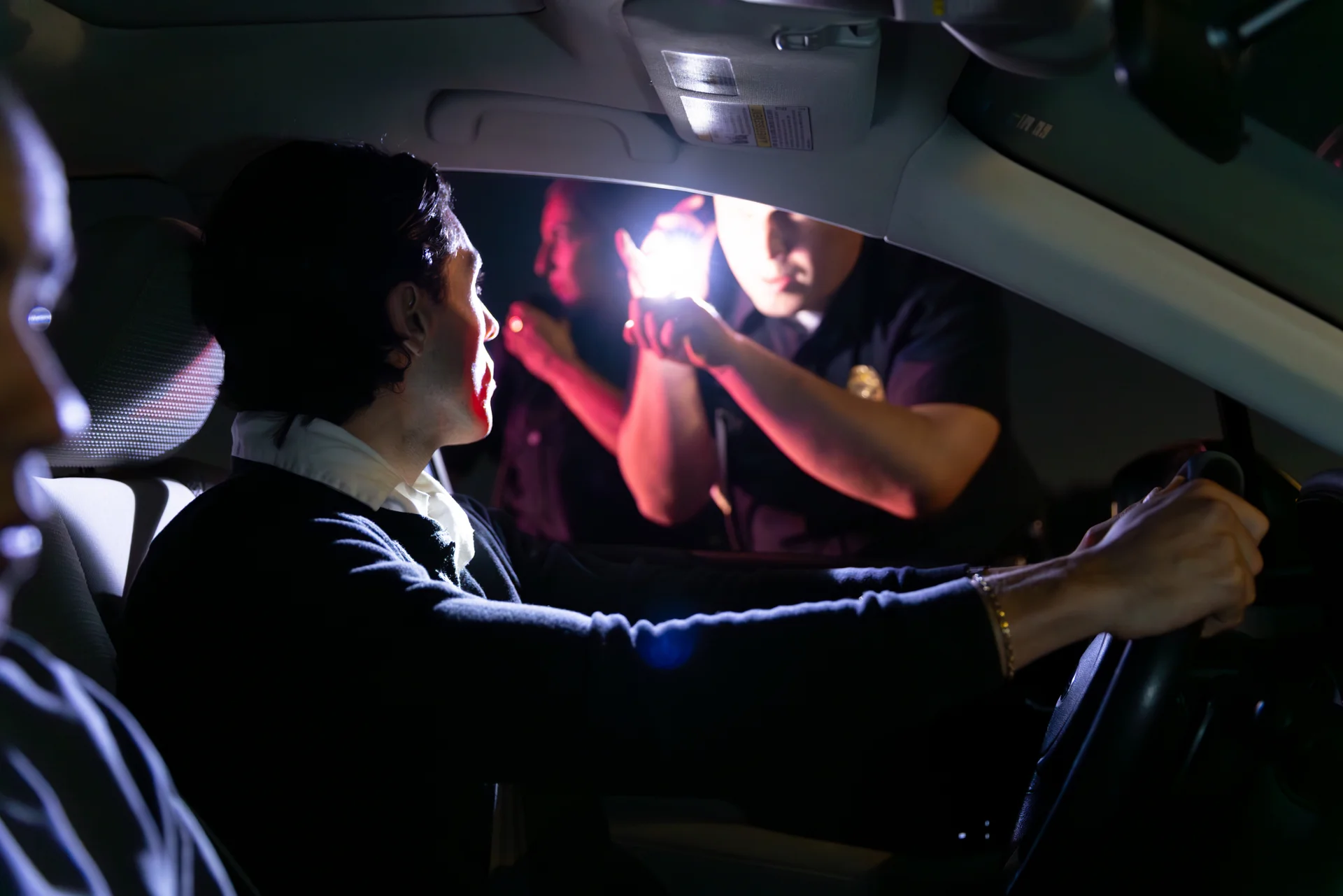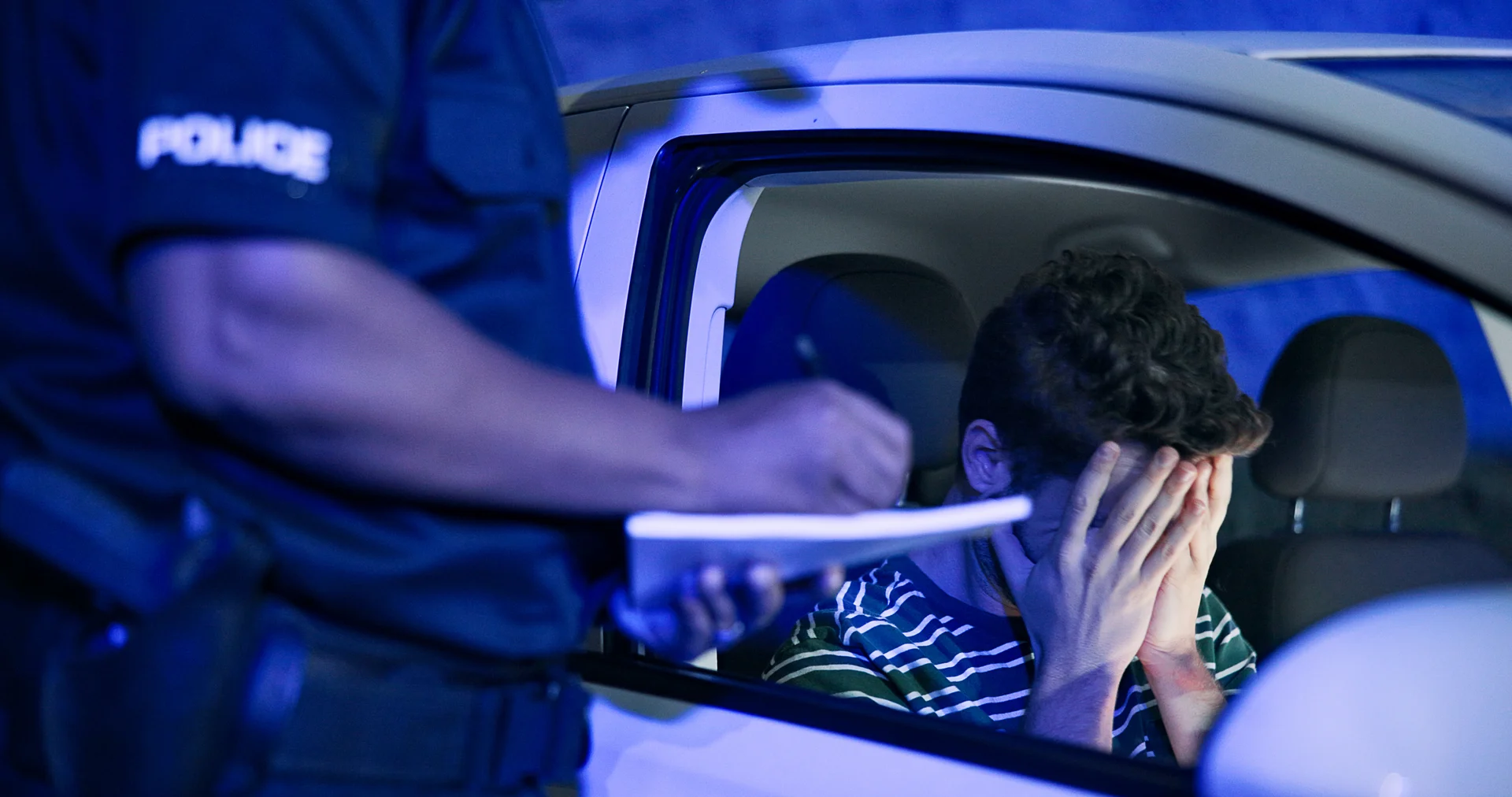
In Florida, if an officer suspects you are driving under the influence (DUI), they may request you take part in field sobriety tests. While these tests are designed to assess impairment, numerous external factors can affect your performance that have nothing to do with alcohol or drug consumption. Understanding these variables might help you recognize when test results may not accurately reflect your actual condition.
Environmental conditions and the weather
The location where the officers administer field sobriety tests can potentially affect how well you do during these exercises. Uneven pavement, gravel surfaces or sloped roadways make balance tests particularly difficult.
Weather conditions may also play a major role. Rain could also make surfaces slippery and dangerous, while strong winds can throw off your balance during the one-leg stand test.
Poor lighting at night might make it more difficult to see the path you need to walk during the walk-and-turn test. Performing tests near busy traffic can also be distracting and nerve-wracking, affecting your concentration and coordination.
Existing physical or medical conditions
Your personal physical condition can significantly affect field sobriety test results. If you have inner ear problems, vertigo or any condition that affects balance, you might struggle with these tests regardless of sobriety. Injuries to your legs, ankles, knees or back can make physical tests extremely difficult or even impossible to complete properly.
Feeling nervous or exhausted
Traffic stops are generally very stressful. Being nervous or anxious could make you shake, forget instructions or lose focus during tests. Fatigue is another critical factor that many people overlook.
Working long shifts or poor sleep might also affect your coordination and cognitive function. These legitimate factors may also lead to failed field sobriety tests even when you are completely sober.
Why external factors matter in DUI cases
Field sobriety tests can present a complex picture that extends far beyond simple impairment. The surface you stand on, the weather around you and your physical condition can potentially play roles in how you perform. Understanding these external factors could help you protect yourself from a wrongful DUI charge.