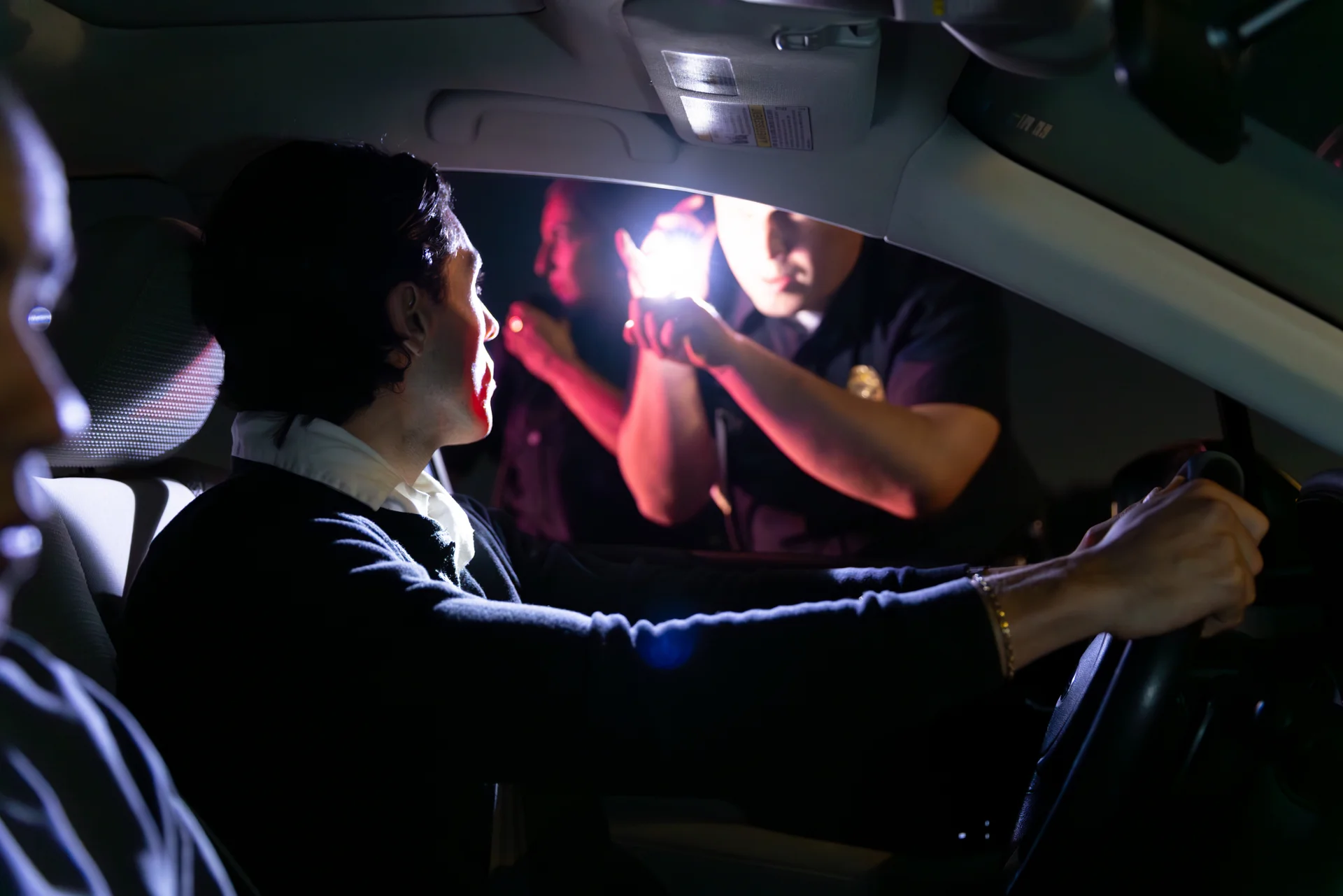
There are two general types of driving under the influence (DUI) charges regularly prosecuted in Florida. Some people face charges for demonstrating impaired driving capabilities in traffic or causing crashes. It is unlawful to drive when aware that prior alcohol consumption or the use of any other mind-altering drug has impacted the ability to drive safely.
State law also allows for DUI charges when a motorist is over the blood alcohol concentration (BAC) limit. For those who fail chemical tests, no proof of actual impairment is necessary for the state to charge them with drunk driving.
Different drivers are subject to specific limits based on age and the type of vehicles they operate. Knowing the per se limits is important for those who enjoy alcohol but want to avoid a DUI charge. What are the three limits?
1. The standard adult limit
Most adults operating a personal motor vehicle are subject to the standard BAC limit of 0.08%. If breath or blood tests return a result at or above the 0.08% threshold, drivers headed home from a restaurant or party may end up arrested even if their driving wasn't particularly problematic.
2. The underage limit
People under 21 cannot legally consume alcohol. They also have limited experience on the road. They are subject to a zero-tolerance rule. A BAC test result of 0.02% or higher can be enough for a criminal charge in that scenario. The limit for underage drivers is so low that one or two drinks can be enough to result in a failed test, and they may not feel any effects of the alcohol.
3. The commercial driver limit
People driving buses, semi-trucks or other commercial vehicles are subject to stricter regulations than those operating smaller vehicles. The BAC limit that applies to someone operating a commercial vehicle is 0.04%. People over the commercial BAC limit may not notice any obvious signs of intoxication.
When the state pursues per se DUI charges, the best defense strategy may be different than in cases involving unsafe driving. Reviewing the state's case with a DUI defense attorney can help those facing per se charges explore possible defense strategies. Medical conditions, issues with devices or even unlawful traffic stops can be part of a successful per se DUI defense strategy.