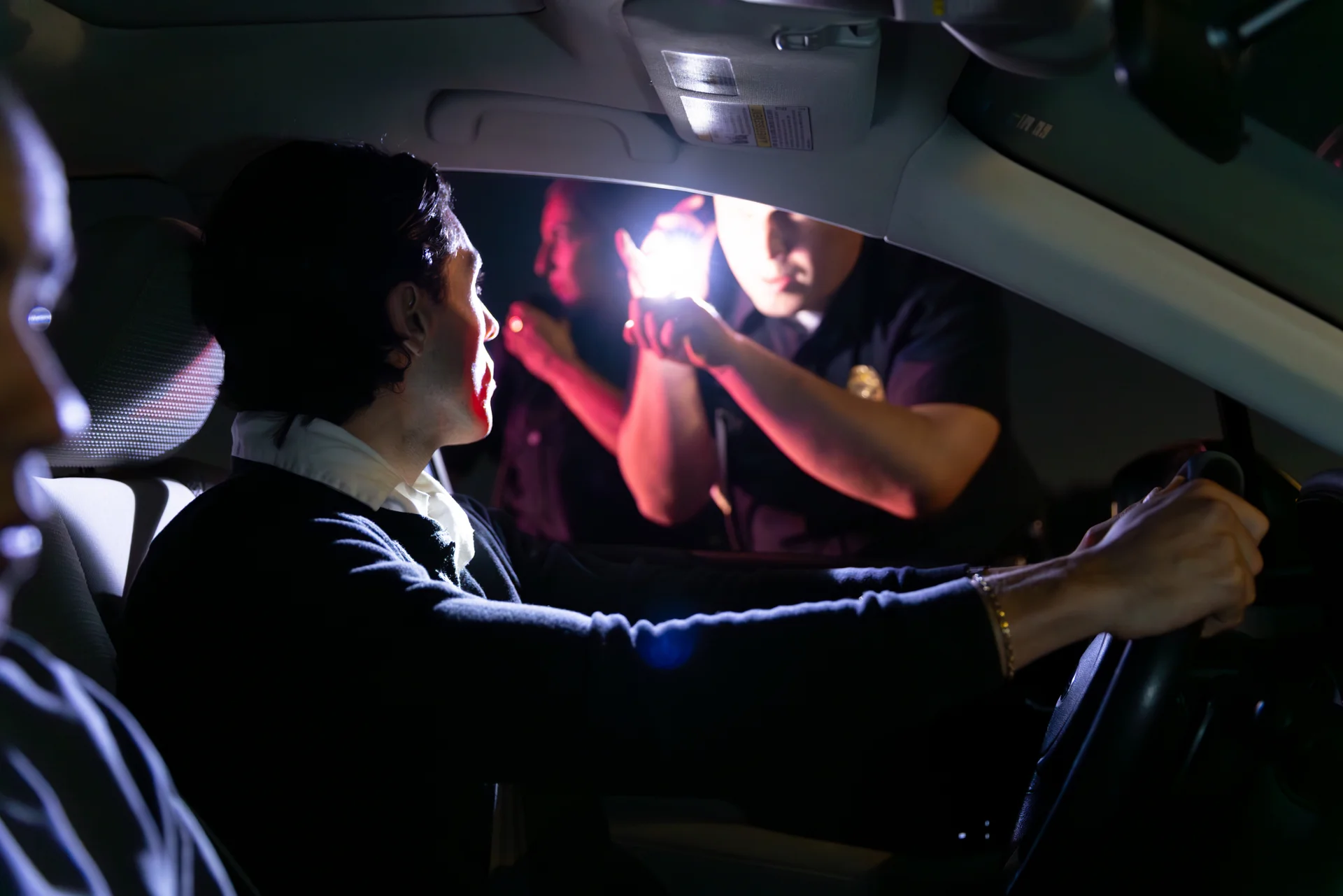
In Florida, an officer on the road may pull you over if they suspect you are driving under the influence (DUI). However, what you wear can significantly impact your ability to perform these tests successfully – even if you are completely sober. Understanding how your clothing can get in the way of these tests can help you recognize their limitations.
Why do shoes matter during balance tests?
Footwear plays a crucial role in field sobriety test performance. High heels, platform shoes or footwear with thick soles can make certain exercises extremely difficult. The walk-and-turn test requires you to walk heel-to-toe along a straight line, which becomes nearly impossible in unstable shoes. Similarly, the one-leg stand test demands balance that even athletic individuals struggle to maintain while wearing certain types of footwear.
Flip-flops, sandals or loose-fitting shoes present their own challenges. These types of footwear may slip off during testing, which can potentially affect your balance. Even worn-out shoes with uneven soles or poor traction can cause you to stumble or lose your footing on certain surfaces.
If you are wearing heels higher than two inches, officers typically allow you to remove your shoes before performing these tests. However, performing tests barefoot on hot pavement, rough surfaces or in cold weather can also affect your results.
How does other clothing impact test performance?
Restrictive clothing can limit your range of motion and affect how you perform physical tasks. Tight skirts or dresses may prevent you from taking the required steps during the walk-and-turn test. Similarly, restrictive pants or formal wear can make it difficult to demonstrate the full range of movement that officers expect to see.
Heavy coats, bulky jackets or layered clothing can affect your balance and coordination. These items change your center of gravity and may make you appear unsteady even when you are perfectly capable of maintaining balance under normal circumstances. Loose or flowing garments might also interfere with the tests by getting in your way or affecting your movements.
Weather-appropriate clothing sometimes conflicts with ideal testing conditions. If you dress for Florida heat in lightweight sandals and flowing clothes, or bundle up during cooler evenings, your outfit may not be suitable for the physical demands of field sobriety testing.
How can you protect yourself from a wrongful DUI charge?
If you are arrested for DUI based on field sobriety test results, explaining how your clothing or footwear restricted your movements can help challenge those findings. Recognizing that your footwear or clothing interfered with the tests may also provide an attorney with important evidence. This can help challenge the test results by showing that external factors, rather than impairment, caused your poor performance.
This knowledge allows you to work with an attorney to demonstrate that external factors, rather than impairment, caused your test difficulties. By identifying these limitations, you can build a stronger defense and potentially avoid conviction for a DUI you did not commit. This protection extends to your driving privileges, criminal record and future opportunities that a wrongful conviction would otherwise jeopardize.
Recognizing the limitations of roadside testing
Field sobriety test performance can depend on more than your physical condition or level of impairment. Factors such as footwear, clothing and environmental conditions may affect your ability to complete certain tasks. Understanding these influences can help you understand the limitations of field sobriety tests, which may help protect you from wrongful charges.