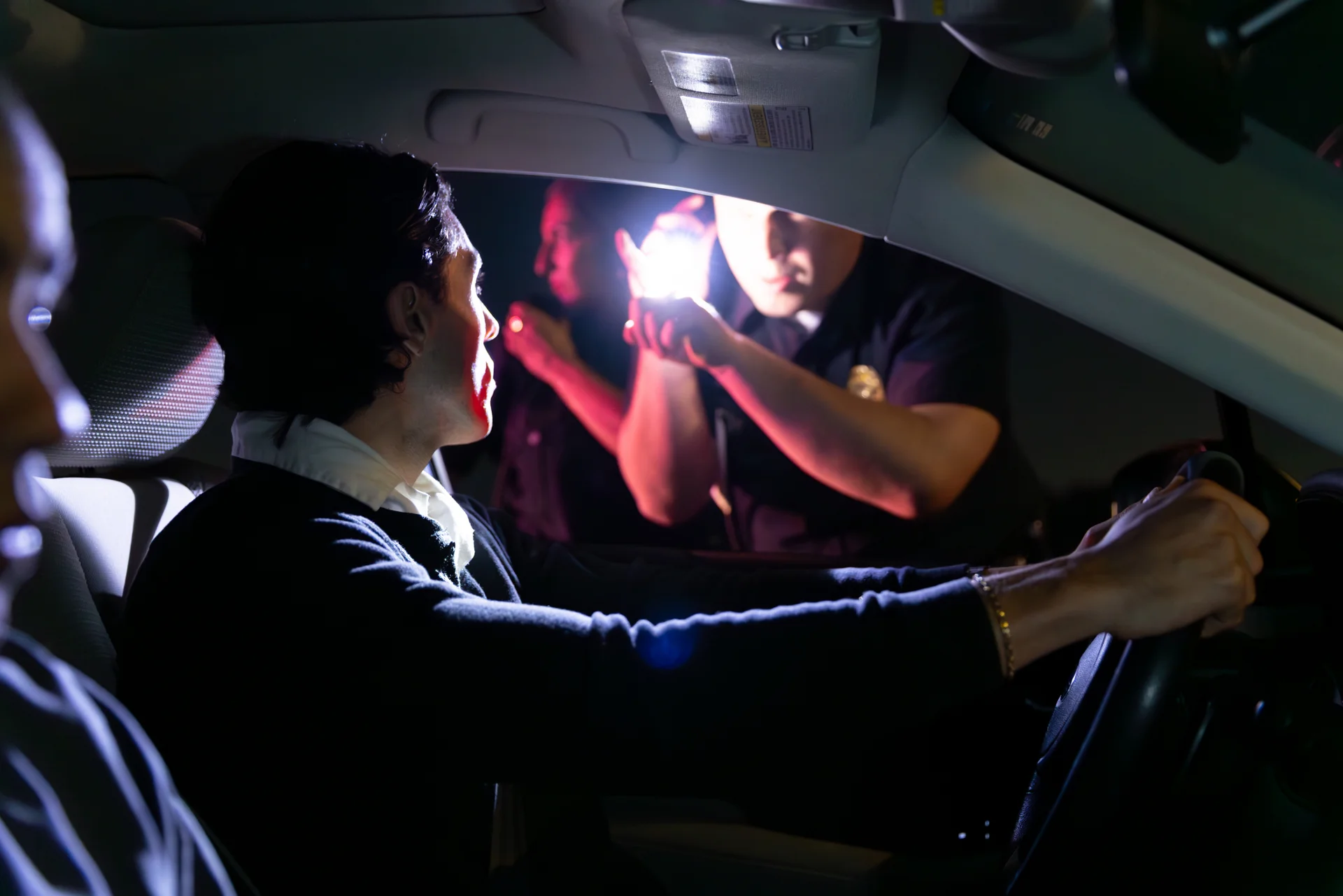
The implementation of HB 687 or Trenton's Law on October 1, 2025 in Florida altered the consequences for drivers accused of refusing chemical tests. A driving under the influence (DUI) stop may now result in two separate charges.
It is no longer just about the driving charge because the act of refusal itself is now a criminal matter under this new rule. Whether you are a daily commuter or an occasional driver, understanding these changes can help you properly respond to DUI stops moving forward.
A guide to HB 687
Florida lawmakers established Trenton's Law to increase accountability for impaired drivers following the tragic death of 18-year-old Trenton Stewart in May 2023. This legislation fundamentally alters how the state penalizes individuals who refuse chemical testing, closing loopholes that repeat offenders often exploit.
While refusal previously triggered primarily administrative license suspensions, HB 687 now criminalizes the act of refusing a lawful breath, blood or urine test. Under this new law, the state can charge a driver with a first-degree misdemeanor for refusing a test if the driver already lost their license in the past for a prior test refusal.
The double trouble factor
Defendants can now face two distinct criminal counts under Trenton’s Law: One for DUI and one for refusing the test. If the state cannot prove impairment, acquittal for the DUI is possible but courts can still convict and sentence defendants for the criminal refusal.
In addition, criminal refusal carries its own set of fines that are separate from the underlying DUI penalties. These can include potential jail time and mandatory license revocation.
How this affects DUI defense strategy
Florida defense lawyers now have to fight on two fronts at the same time. They must prove both that the police had no right to pull you over, and that the officer had no legal basis to demand a breath, urine or blood test in the first place. If your lawyer can show that the police had no valid, legal reason to ask for the test, your charge for refusing it could be thrown out.
Additionally, general lawyers might miss the tricky, technical details of this new refusal charge. Working with a DUI defense attorney can help you better defend against DUI allegations and a refusal charge at the same time.
With higher stakes come harder fights
Facing DUI charges in Florida are more complex and punitive than ever before. Trenton's Law may primarily target repeat offenders, but its reach can extend to every driver. Staying informed can help you protect your rights under these new, stricter regulations.